A practical guide to portable powerPortable power stations.
Portable power stations.
For your real life.
Find a portable power station for home outages, camping and life off the grid. Start with what you need to run, then choose the capacity that fits.
Clear calculations. Useful comparisons. No guesswork about the basics.
Manufacturer-sourced specificationsTransparent runtime assumptionsReadable, practical buying guides
Explore the original product lineup
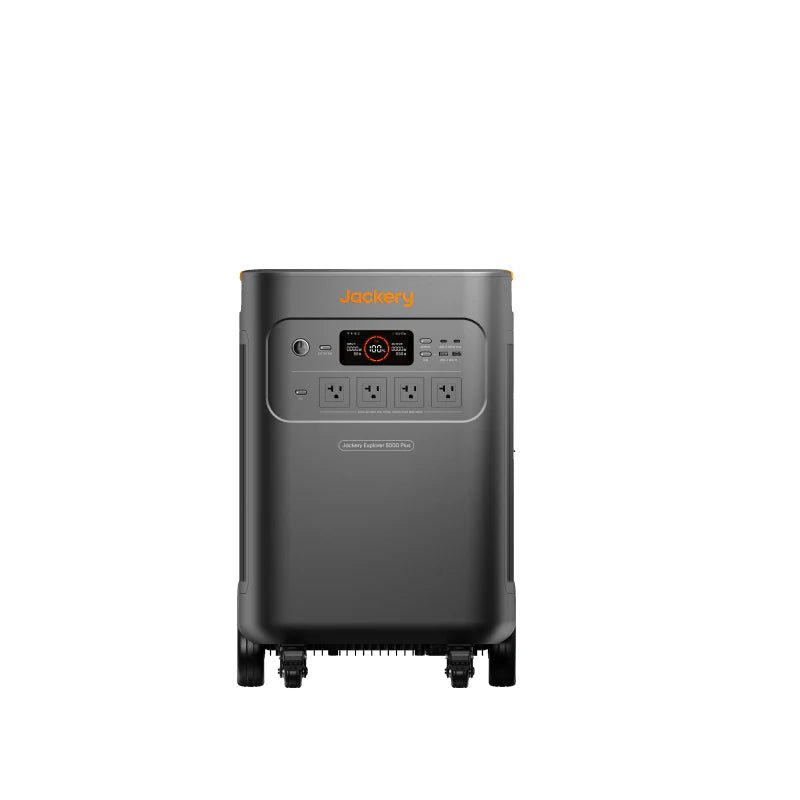
Jackery Solar Generator HomePower 3000
Specifications and buying guide →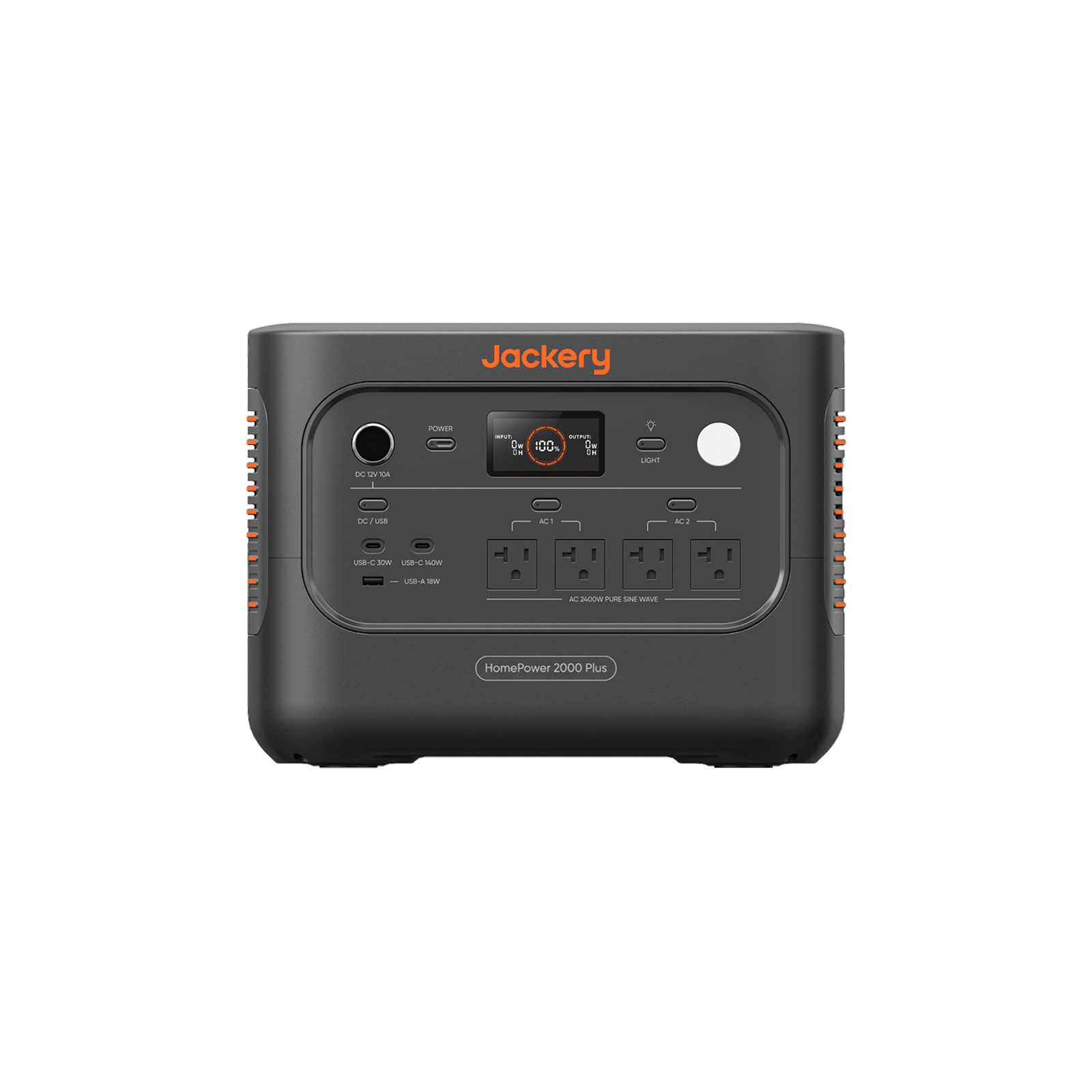
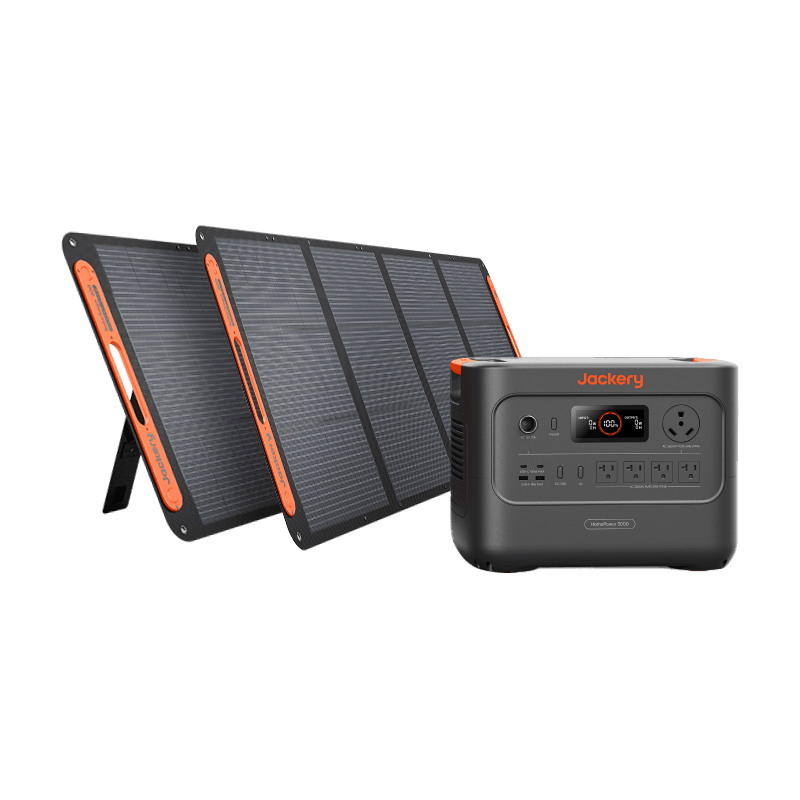
Jackery HomePower 2000 Plus v2
Specifications and buying guide →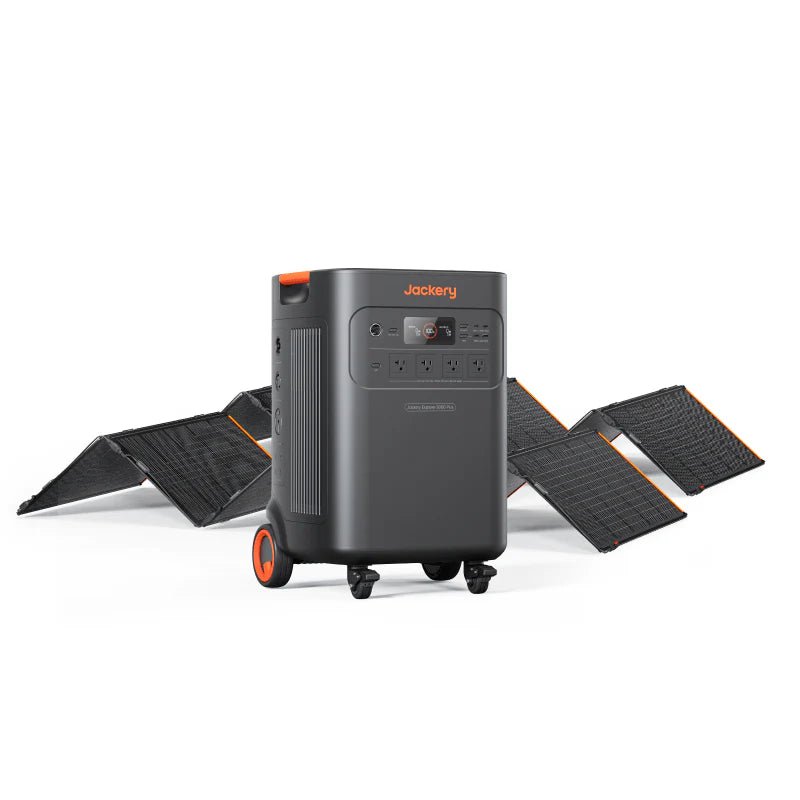
Jackery Solar Generator 5000 Plus
Specifications and buying guide →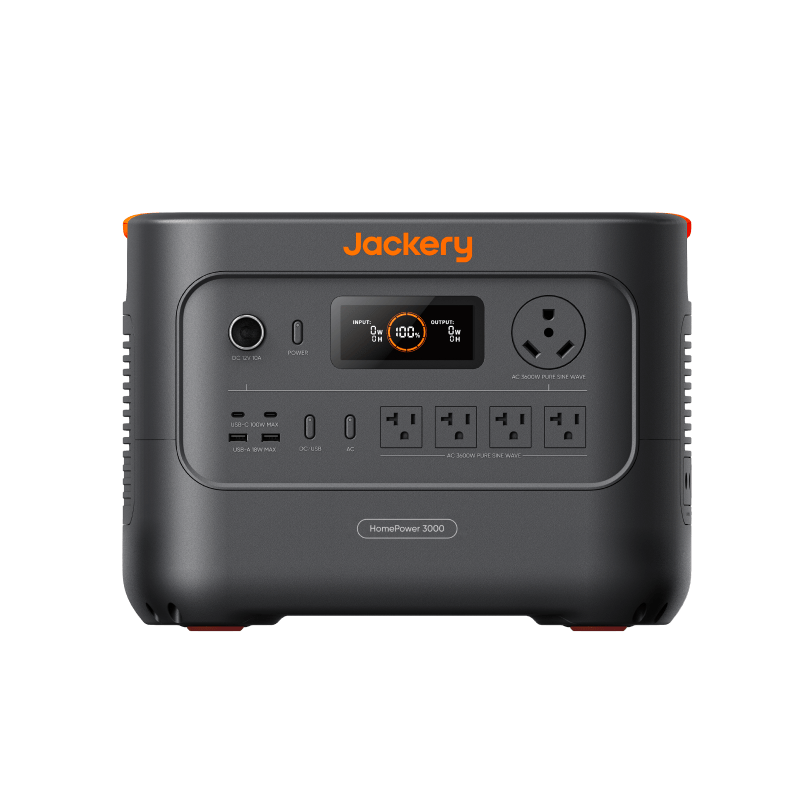
Jackery HomePower 3000
Specifications and buying guide →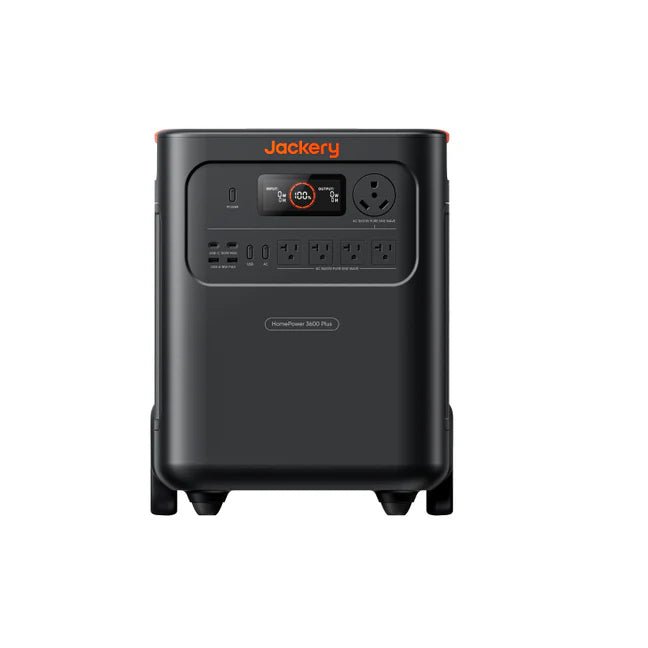
Jackery HomePower 3600 Plus
Specifications and buying guide →
Power stations explained by real-life use, not confusing specs
Buying a portable power station can feel simple until you start seeing terms like watts, watt-hours, surge output, LiFePO4 batteries, solar input, expansion batteries, and transfer switches. Most people do not actually start with those specs. They start with a problem.
Maybe you want to keep a refrigerator running during a power outage. Maybe you need backup power for a CPAP machine, WiFi router, phones, laptops, or lights. Maybe you are planning a camping trip, powering an RV, working from a remote site, or preparing for winter storms.
PowerStations.org is built around those real situations. Start with how you plan to use backup power, then choose the size, battery capacity, solar charging setup, and product category that actually fits.
Choose your power scenario
Start by use case
A home backup setup is different from a camping setup. An RV solar generator is different from a job site power station. Choose the scenario first.
Home Backup
Keep essential devices running when the grid fails. Learn how to plan backup power for refrigerators, freezers, routers, phones, lights, apartments, and winter storms.
- Essential home backup
- House solar generators
- Winter storm outage power
- Fridge and device backup
Outdoor Adventure
Find portable energy for camping, RV travel, van life, boat camping, fishing, tailgating, and off-grid trips where normal outlets are not available.
- Camping solar generators
- RV solar generators
- Van life power stations
- Boat, fishing, and tailgate power
Construction & Industrial
Compare portable power for job sites, field work, public service, education, research, remote operations, and advanced technology where reliable power access matters.
- Construction site power
- Government field work
- Education and research
- Remote tools and equipment
Not sure what size power station you need?
Calculator-first buying
Do not guess based on product photos or battery size alone. A 500Wh power station, a 1000Wh power station, and a 3000Wh power station are built for very different situations.
Our calculator helps estimate the watt-hours, output, and backup runtime you may need based on the devices you want to power.
Use the Power Station Size CalculatorThe calculator helps estimate:
- Required watt-hours
- Running watts and surge watts
- Estimated backup runtime
- Solar charging time
- Recommended power station size range
Find the right power station for the job
Best picks by situation
The best choice depends on what you want to keep running, how long you need backup power, and whether you plan to recharge with solar panels.
Best Portable Power Station for Home Backup Compare backup power options for outages, essential appliances, and emergency use. Find solar generator setups for home essentials, longer outages, and recharge planning. Understand fridge wattage, surge power, runtime, and battery size before buying. Plan overnight and multi-night backup power for CPAP and sleep apnea devices. Choose camping power for phones, lights, coolers, cameras, laptops, and small appliances. Compare portable solar generator options for RV travel, road trips, and off-grid parking. Prepare backup power for cold-weather outages, lights, routers, phones, fridges, and essentials. Learn when power stations make sense for tools, chargers, lights, and field equipment.
Understand the full backup power system
Product categories
A power station is only one part of the setup. Depending on your use case, you may also need solar panels, expansion batteries, transfer switches, cables, adapters, or carrying cases.
Portable Power Stations Battery-powered units for indoor backup, camping, RVs, and portable electricity. Power station and solar panel bundles for recharging away from the grid. Portable panels used to recharge compatible power stations outdoors. Larger setups for essential circuits, appliances, and longer outages. Extra battery capacity for longer backup time and larger setups. Connect compatible backup systems to selected home circuits safely. Cables, adapters, carrying cases, and charging accessories. Understand when refurbished models are worth considering and what to check.
Start with the situation, then choose the size
How to choose
A portable power station should be chosen based on what you need to run, how many hours you need to run it, and whether the device has a startup surge. A refrigerator, for example, may use moderate power while running but require more power when the compressor starts. Low-power devices may consume less energy, but overnight runtime still matters.
1. Pick your use caseHome backup, camping, RV, job site, apartment, storm, or off-grid use.
2. List your devicesFridge, router, lights, laptop, cooler, tools, or appliances.
3. Estimate runtimeDecide whether you need hours, overnight backup, or several days.
4. Match the systemChoose capacity, output, solar panels, and expansion options.
For a deeper explanation, start with our beginner guide to watts vs watt-hours, then use the portable power station size calculator.
Compare brands, systems, and power options
Comparisons
Once you know your use case and size range, compare the options that fit that situation.
Jackery vs EcoFlow Compare two popular portable power station brands by use case, capacity, charging, and backup needs. Understand which brand may fit home backup, outdoor use, and solar charging better. Compare power station options for portable backup, camping, and home use. Learn the difference between battery units and solar panel bundles. Compare indoor-safe battery backup with traditional fuel generators. Understand the difference between backup batteries and computer UPS systems.
Where Jackery-style products fit
Product examples
Jackery is one of the most visible brands in portable power stations, solar generators, solar panels, and home backup kits. On PowerStations.org, product mentions are used as examples inside broader buying guides, not as the only answer to every situation.
Before choosing any model, compare your actual power needs with the battery capacity, AC output, surge output, solar input, charging speed, expansion options, and the devices you need to run.
| Use case | Typical size range | Helpful next page |
|---|---|---|
| Phones, laptops, router, small lights | 300Wh to 1000Wh | Essential home backup |
| Refrigerator or freezer backup | 1000Wh to 3000Wh+ | Refrigerator backup guide |
| Home outage and winter storm backup | 2000Wh to 5000Wh+ | Winter storm outage backup |
| Camping, fishing, and tailgating | 300Wh to 1500Wh | Camping solar generators |
| RV, van life, and off-grid use | 1000Wh to 5000Wh+ | RV solar generators |
Product recommendations will be expanded as the site grows. Always check current specifications, compatibility, and safety instructions on the official manufacturer page before buying or connecting equipment.
Learn the basics before you buy
Beginner guides
If you are new to backup power, start with the simple guides below.
What Is a Portable Power Station? A simple explanation of what power stations do and when they make sense. Learn how a solar generator combines a power station with solar panels. Understand the difference between power output and battery capacity. Learn why fridges, pumps, and tools may need extra startup power. Estimate runtime based on watt-hours, load, and efficiency loss. Use power stations safely indoors, outdoors, during outages, and around appliances.
Independent guides, practical examples, and clear limitations
Portable power stations are useful, but they are not magic. Some can run small electronics for days. Others can support refrigerators, freezers, and home essentials for limited periods. Larger systems can support more demanding setups, especially when paired with solar panels and expansion batteries.
PowerStations.org focuses on clear explanations, realistic use cases, and practical buying decisions. We aim to explain what a power station can do, what it cannot do, and when a different backup power solution may be more appropriate.
Learn more about our process in our editorial policy and how we review power stations.
Start with your use case
Choose the situation closest to yours, then estimate your power needs before comparing products.